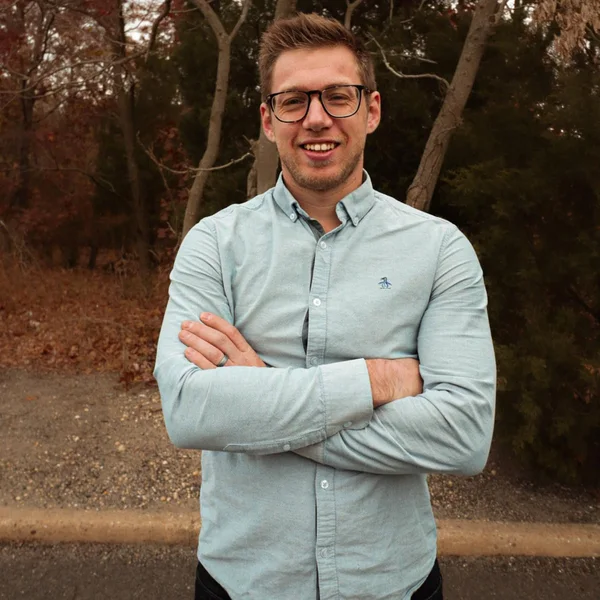
About Dr. Anthony Pellegrino
Pediatric chiropractor focused on cranial development, the upper cervical spine, and infant nervous-system care. Host of The Cranial Doc.
Why this site exists
Most of what parents find online about infant head shape falls into one of two categories. Helmet clinics with a product to sell, or reassurance that amounts to "it usually resolves on its own, just monitor it." Neither one gives a parent what they actually need when they are sitting with a measurement sheet trying to figure out what to do next.
Little Roots exists to fill that gap. The content here is clinical, parent-respectful, and grounded in what craniopathy-trained chiropractors see in practice every day. At the time of this writing, nine clinicians in the world hold the CSCPP, the most advanced pediatric craniopathy certification currently available. Two of them practice together at Absolute Chiropractic in Wall Township, New Jersey. This site reflects that depth of clinical experience and that standard of care.
The goal is for a parent to land on this site at 11pm with questions they cannot get answered anywhere else, and walk away with a clearer picture of what the numbers mean, what the options are, and what the right next conversation looks like.
Training and credentials
- DC — Doctor of Chiropractic
- DACCP — Diplomate of the Academy of Chiropractic Pediatrics
- CSSPP — Certified Spinal Pediatric Practitioner
- CSCPP — Certified Spinal and Cranial Pediatric Practitioner, the pediatric craniopathy certification. At the time of this writing, nine clinicians in the world hold this credential. Two of them practice at Absolute Chiropractic.
- CBS — Certified Breastfeeding Specialist
The DACCP is the highest credential available in pediatric chiropractic, requiring several hundred hours of postgraduate clinical training and a board examination. The CSCPP adds specific training in pediatric cranial work and represents the most advanced certification in this specialty currently available anywhere in the world. The breastfeeding specialist certification reflects the feeding mechanics that connect directly to both the spine and the cranial bones. Together these credentials cover the full clinical picture that infant assessment actually requires.
Clinical focus
My practice focuses on three areas where neurologically-based chiropractic and craniopathic care make a measurable difference for infants and young children.
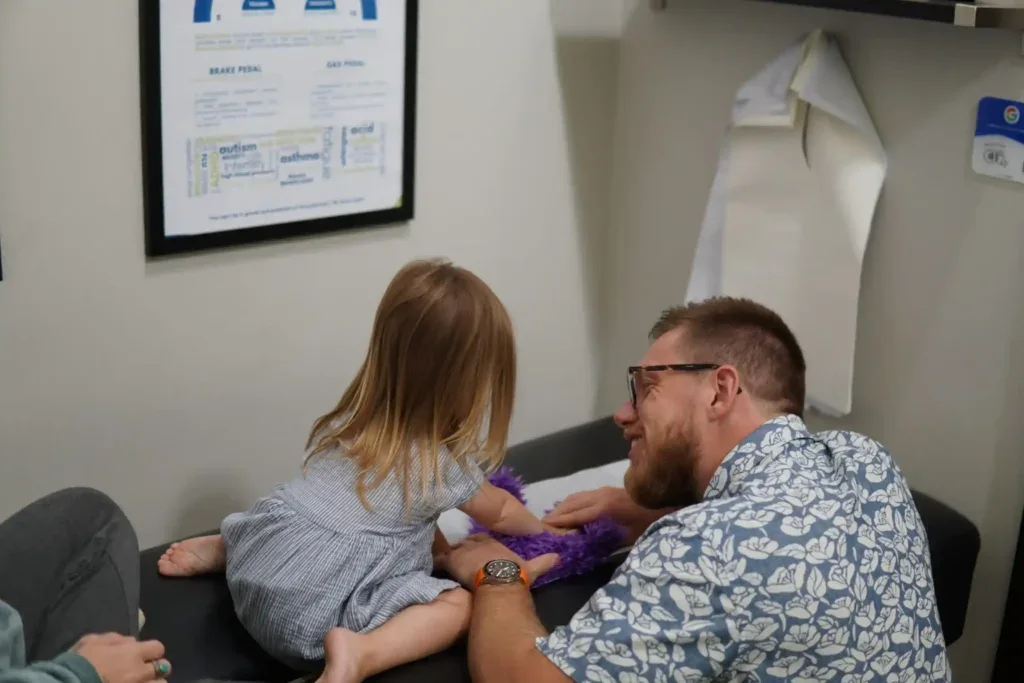
Cranial development
Head shape changes, palate development, and airway formation all converge here. Early, focused care during the growth window often resolves patterns that would otherwise persist for years.
Nervous system adaptability and brain development
Many of the patterns parents bring to my office, including regulation challenges, sleep difficulty, and sensory issues, reflect a nervous system that needs support, not a behavior problem. How the nervous system adapts in the first months of life shapes development well beyond infancy.
Tongue function
Tongue tie, latch difficulty, and restricted tongue movement connect directly to feeding mechanics, palate development, and airway formation. These patterns are often present alongside cranial findings and respond well to care that addresses both.
How content on this site is written and reviewed
Every page on Little Roots carries a last reviewed date. Citations are real and include DOIs where available. When the published research does not support a stronger claim, the page reflects that, even if the more cautious framing is less satisfying to read.
This is the same standard I would want for content I read about my own kids.
The Cranial Doc
I also host The Cranial Doc, a podcast and educational resource for chiropractors who want to develop the cranial skills this work requires. If you are a chiropractor and the clinical depth on this site reflects what you want to bring to your own practice, thecranialdoc.com is the next step.
Contact
For clinical questions about your own baby, your chiropractor is the right person to ask. If you are in the Wall Township or Sea Girt area of New Jersey, my practice is Absolute Chiropractic at getabsolutehealth.com. For questions about this site, the content, or media inquiries, reach me at dranthony@thecranialdoc.com.
Last reviewed .